

For a long time, I taught plot elements and characterization in 5th grade as two separate units in my classroom. Students got good at each one on its own. They could label a climax. They could name a character trait.
What they could not do was explain how the two connect, how a character’s motivation at a certain point in the story actually drives the plot forward.
Closing that gap is what changed how I teach plot and characterization in 5th grade.
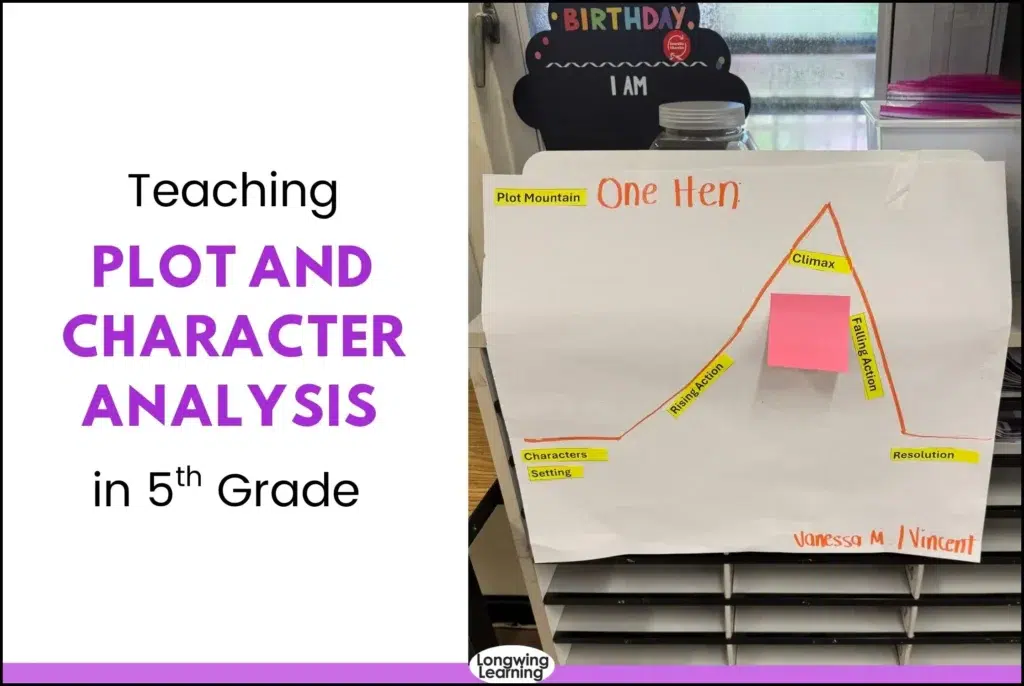
This post walks through how I teach plot and characterization together in 5th grade including the exact activities and graphic organizers that got my students past just labeling parts of a story.
Here is the breakdown of how this actually played out in my classroom.
Before We Started: Vocabulary and Independent Reading
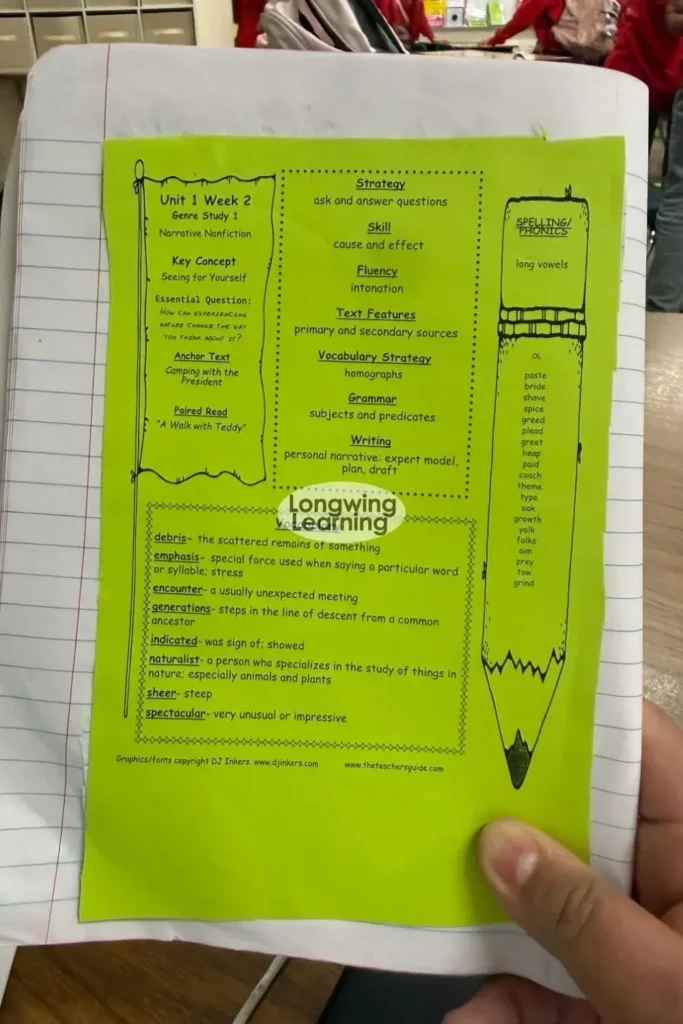
Before any of the plot work started, I spent a day on the vocabulary the curriculum had already flagged, using the teacher guide as my anchor and filling out the vocabulary pages in the reading and writing companion book.
Nothing fancy here. I want my students to have the words in their pocket before they hit the text, not after.
Then I let them read the story cold, on their own. I know some teachers like to preview everything first, but I have found that fifth graders do better when they wrestle with a text on their own first, then talk it through with a partner.
So after independent reading, we did a quick turn and talk to check understanding before moving into anything structural.
Teaching Elements of Plot With the Plot Mountain Activity
Once students had a first pass at the story, I introduced the elements of fiction. Exposition, conflict, rising action, climax, falling action, resolution.
I used a YouTube video called Plot Mountain by Scratch Garden, that walks through a classic fairy tale and labels each part as it happens.

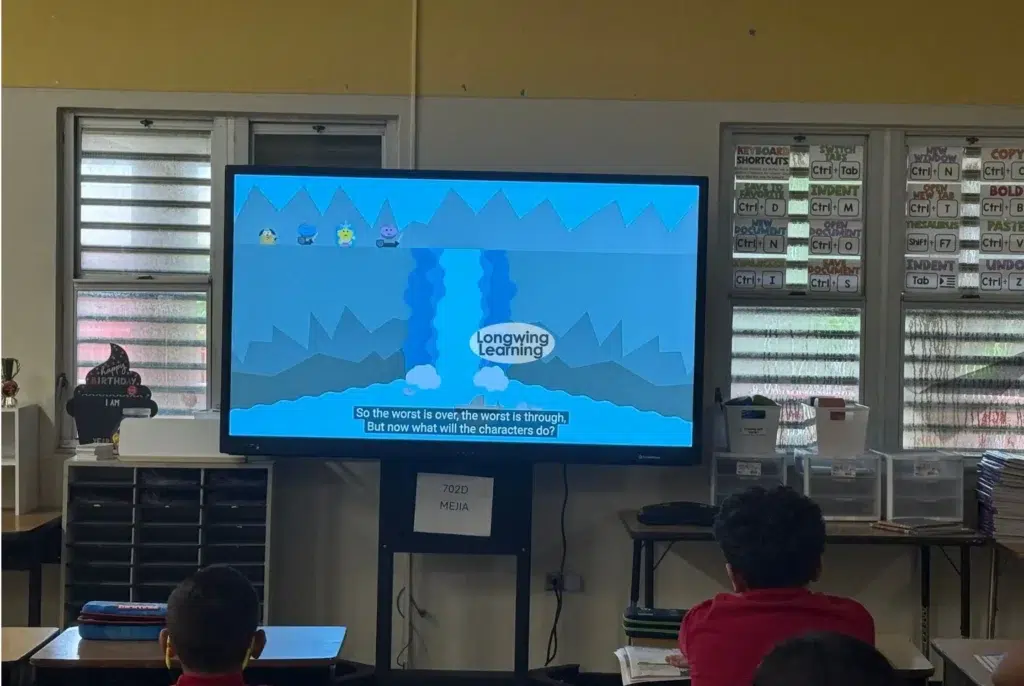
It sounds simple, but my students genuinely laugh through it every year. Something about watching a familiar story get picked apart in real time makes the vocabulary stick in a way a worksheet never does.
After the video, we labeled the elements directly in the story in their books. This activity was mainly for students to get comfortable with the elements of plot.
Since this is the first time they are seeing this vocabulary, the emphasis is on understanding what each word means and what it looks like in the text.
Connecting Plot and Characterization in 5th Grade
The next step toward mastering this standard is teaching students how plot connects to character motivation and characterization.
Labeling parts of a story in the margins tells you a student can find a climax when it is pointed out to them. It does not tell you they understand why that moment is the climax, or how the earlier events built to it.
Both activities matter, just for different reasons.
Labeling in the book helps students make sense of the vocabulary that comes with the elements of a story, since this is their first real exposure to these terms.
The next activity, built around the main text we are reading pushes them into deeper analysis, where they have to reason through the story structure instead of just naming it.
How the Plot Mountain Activity Works
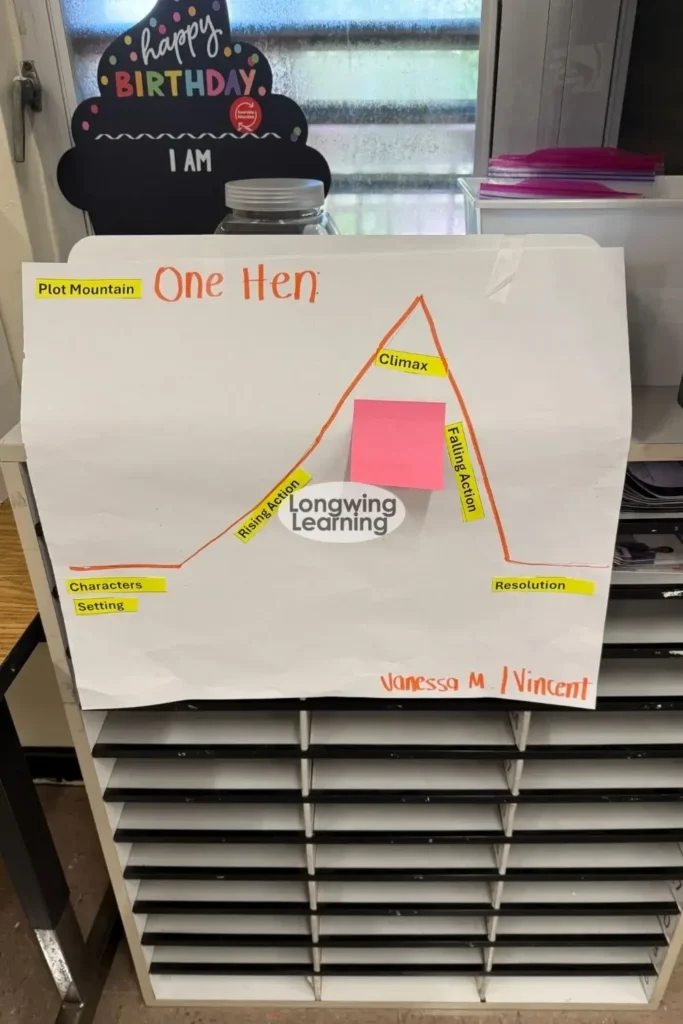
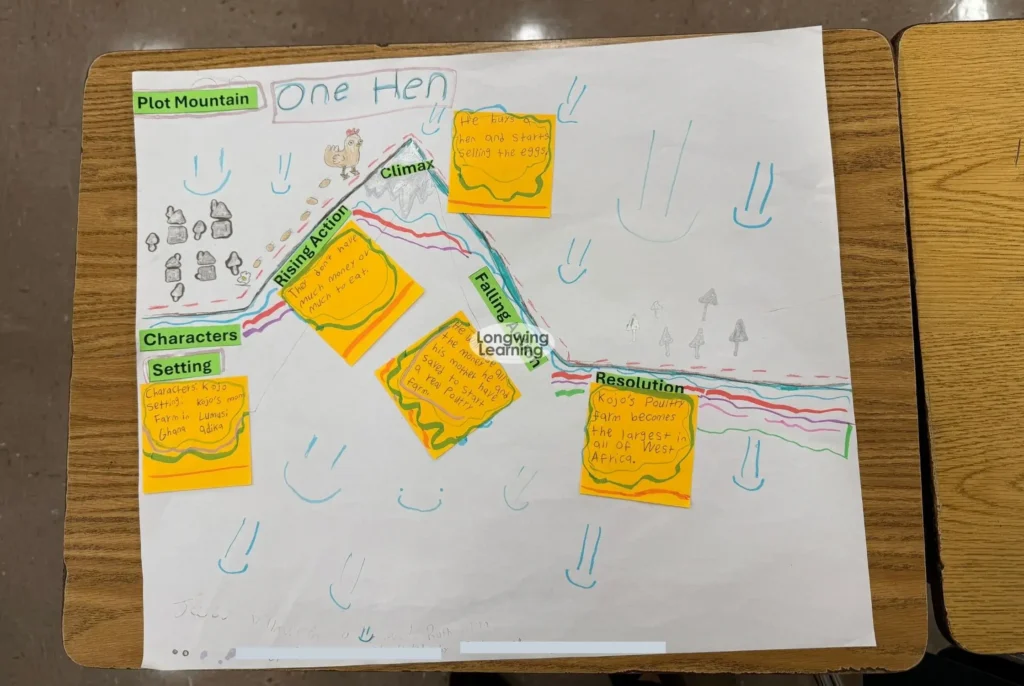
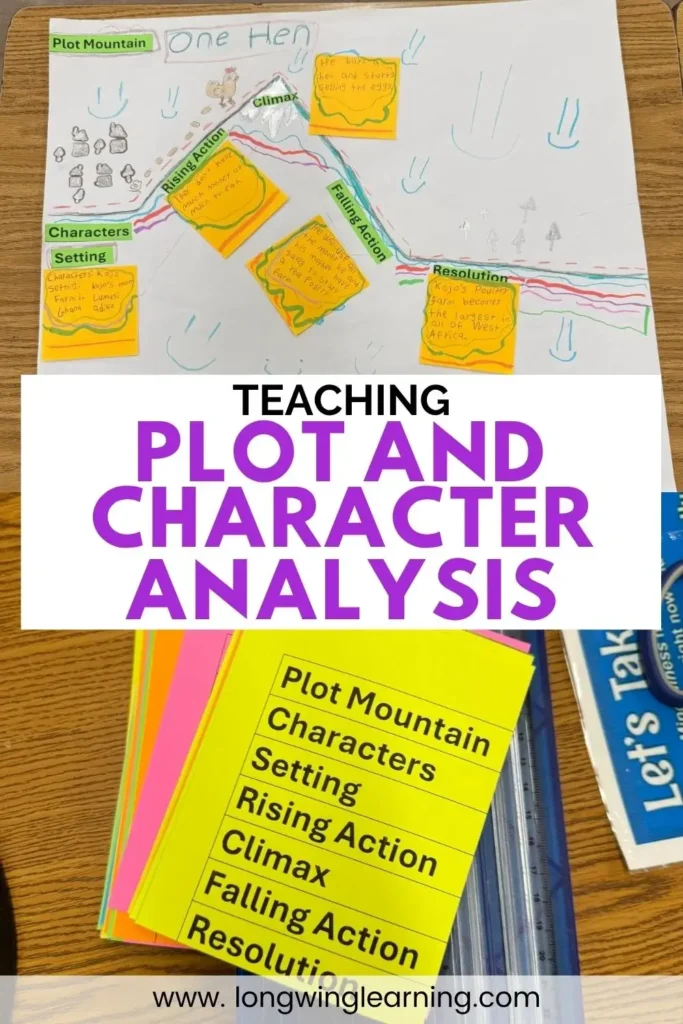
The next day, we moved into reading One Hen itself and built what I call the Plot Mountain activity.
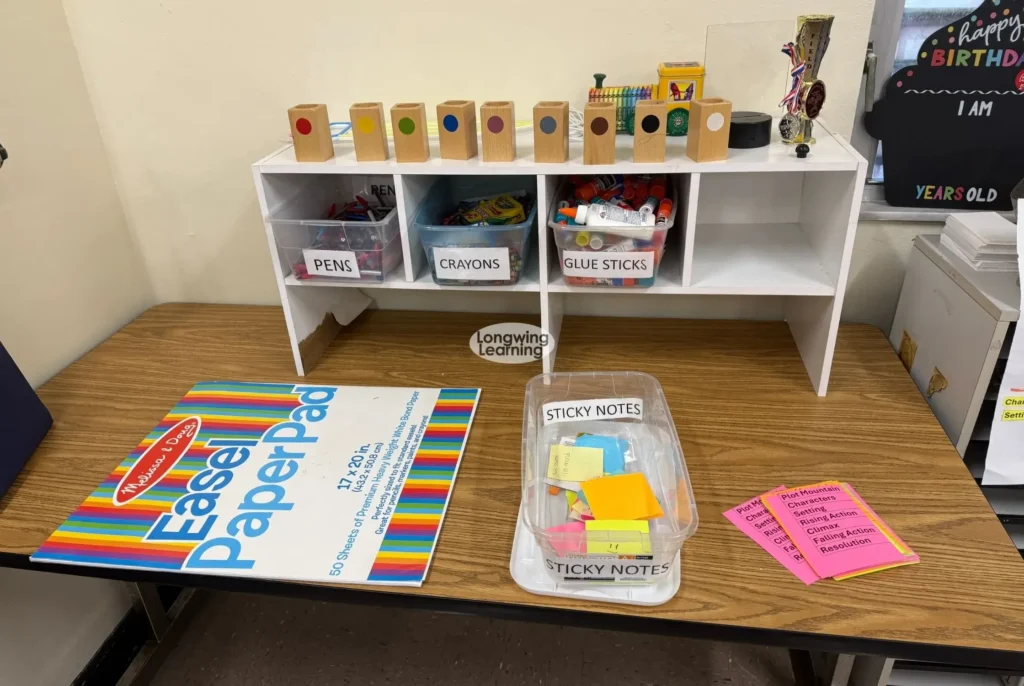
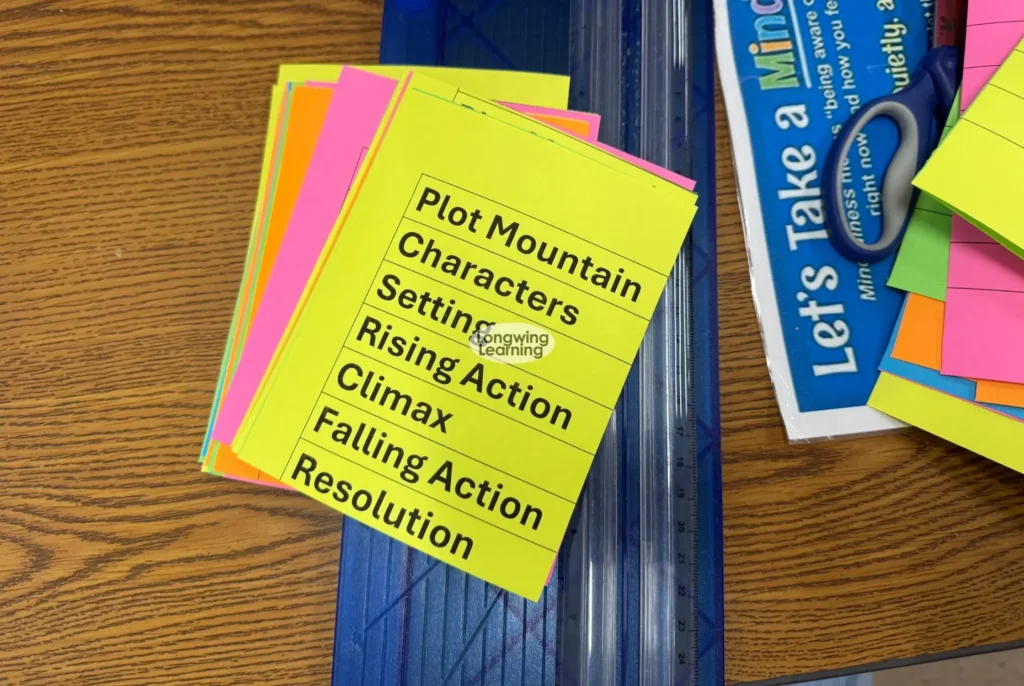
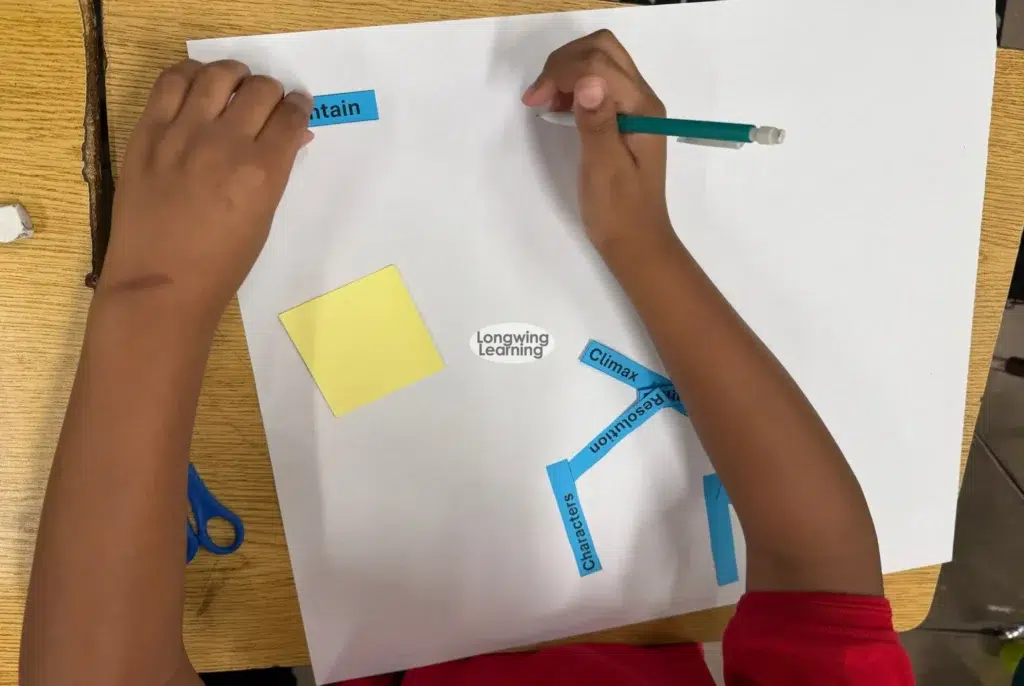
Students read the story independently first, then I split them into pairs and gave each pair a sheet of chart paper along with a set of labels for Characters, Setting, Rising Action, Climax, Falling Action, and Resolution.
I also projected eight sentences pulled directly from the story and had each pair sort them onto the correct part of their mountain. This is the part that does the real work.
Sorting sentences forces kids to justify their thinking to a partner instead of just copying a label from the board.
I heard genuinely great arguments during this part, like one student insisting a sentence belonged in rising action instead of climax because “the big loan hasn’t even happened yet.”
If you want to try this activity, keep the sentence sort short. Eight sentences was enough to spark real conversation without turning into a fifty minute cutting and gluing marathon.
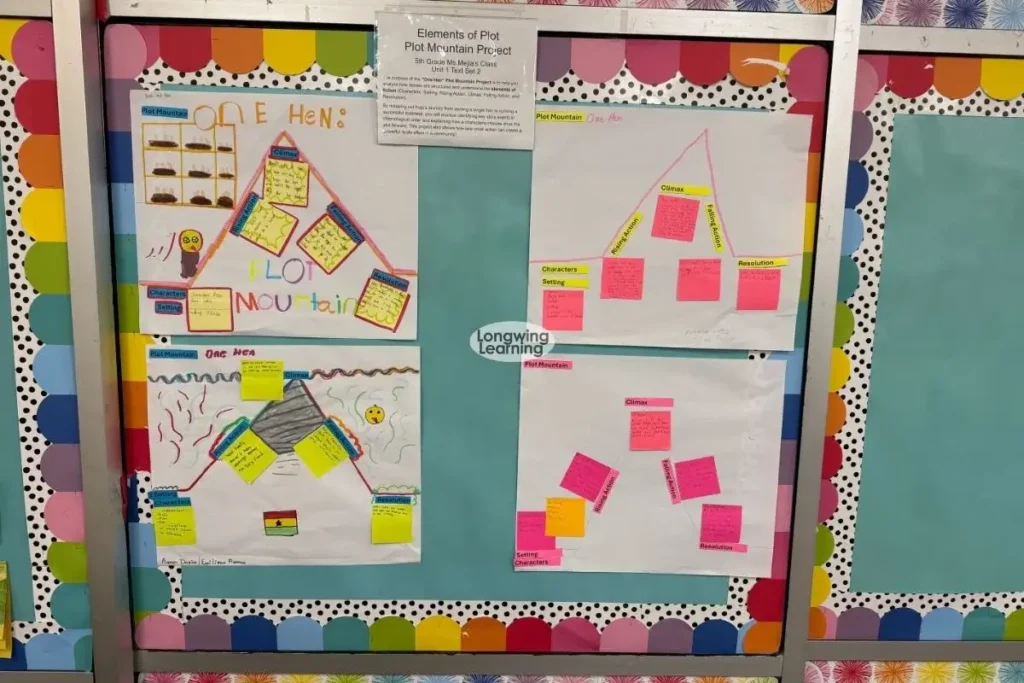
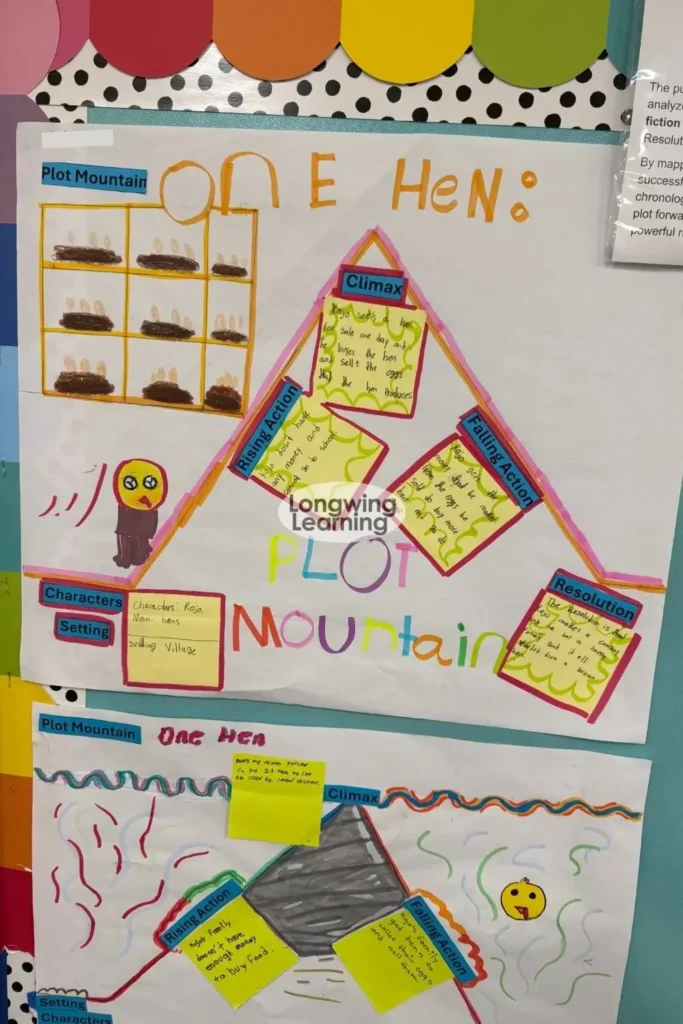
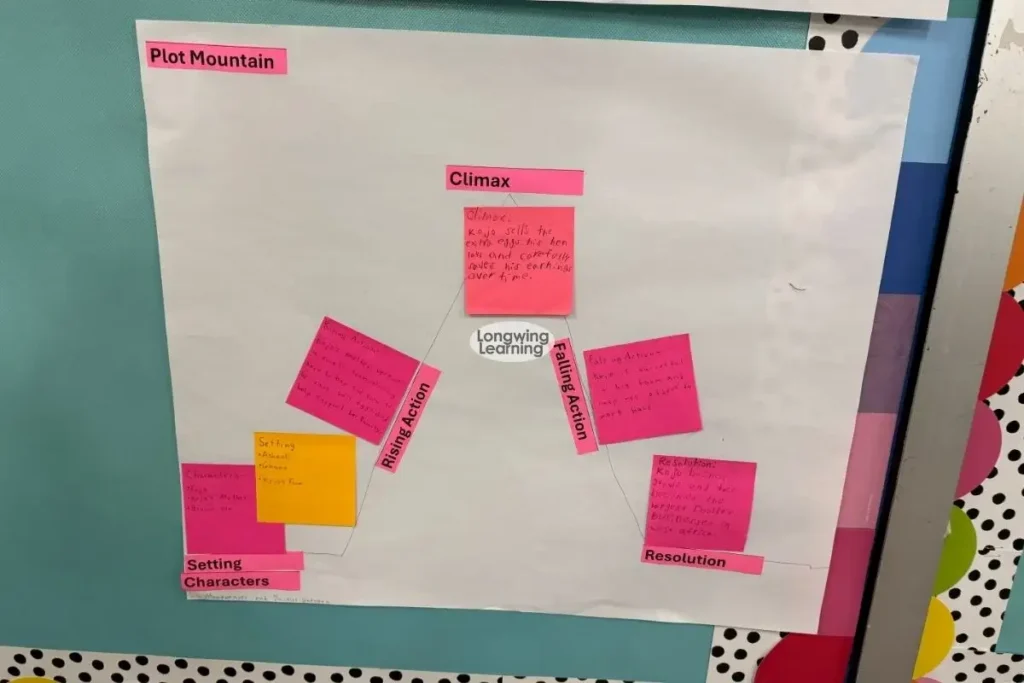
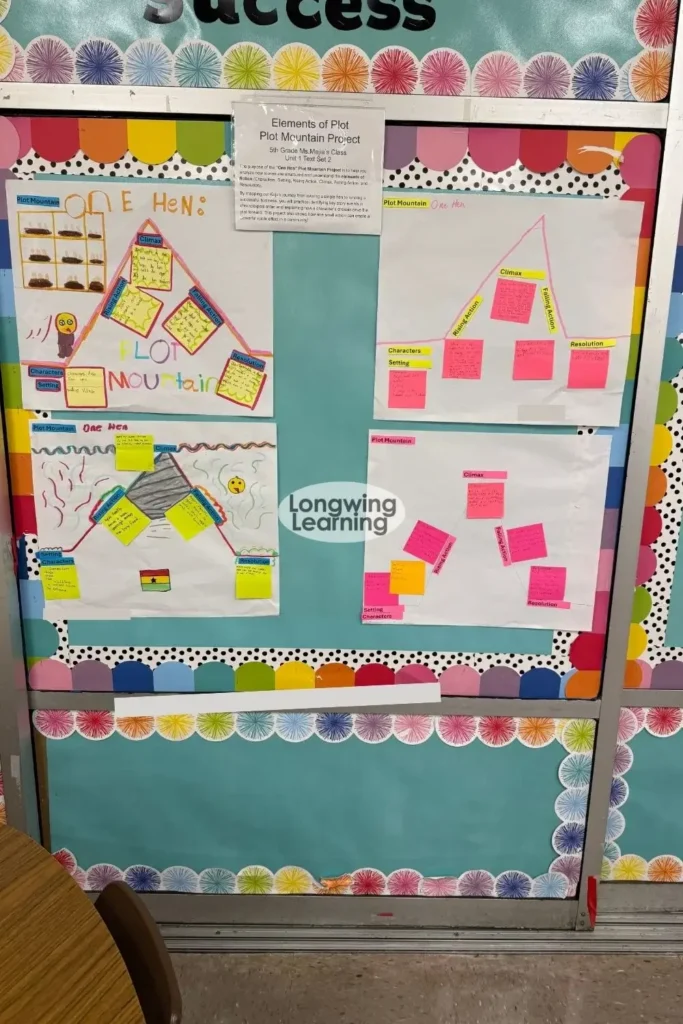
Teaching Characterization in 5th Grade With a Character Motivation Chart
Once students had the plot structure down, we shifted into characterization, and this is where the story really opened up for my class.
Building a Character Motivation Graphic Organizer
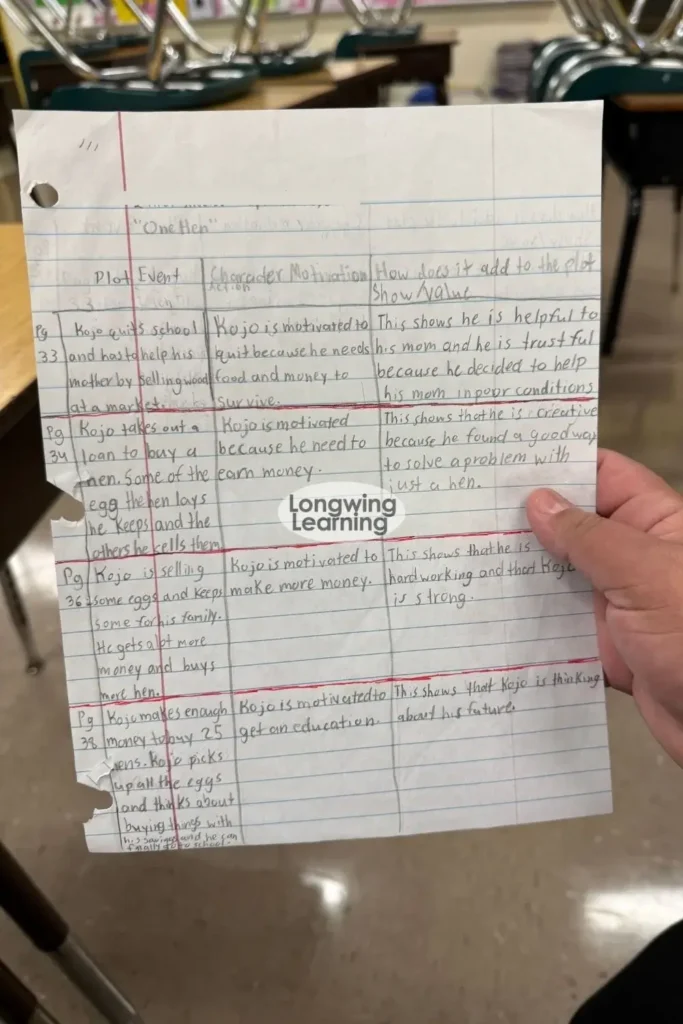
I had students draw a simple three column graphic organizer on their own paper.
Column one is the significant event. Column two is the character’s motivation, meaning why they took that action. Column three is the character trait that event reveals.
We went through the book page by page as a class, which took two full class periods. I know that sounds slow for one picture book, but this is not a skill you can rush the first time through.
A Real Example From the text, One Hen
Early in the story, Kojo leaves school to help his mother sell firewood in the market. In column one, students write down that event.
In column two, I push them to name the motivation behind it, not just describe the event again. The motivation here is that the family needs food and money to survive. That is different from saying “he wanted to help his mom,” which is closer to a restatement of the plot than an actual motivation.
Column three is where character traits come in. Almost every student independently landed on something like “loving son” or “determined” once they had worked through the motivation column first. That order matters.
If you ask for the character trait before students have thought through the motivation, you get surface level answers pulled straight from a word bank.
If you make them work through motivation first, the trait becomes something they discover instead of something they guess.
Why This Takes Two Full Class Periods (and Why That’s Fine)
By the middle of the book, most pairs had the rhythm down and could move through a page with their partner without much support from me.
That shift, from needing heavy modeling to working independently, is the whole point of spending two days on one story instead of rushing through it in one sitting.
Fifth graders need repeated practice with the same structure before they can apply it to a new text on their own.
What Comes Next
After One Hen, students practiced the same three column organizer with a different story, applying it to the text they had never seen before.
Around the same time, my class started reading The Secret Garden as a chapter book, so they kept using the same plot and character motivation organizer chapter by chapter.
That repetition across texts is really what cements the skill. One picture book teaches the structure. A chapter book is where it becomes a habit.
Try This Plot and Characterization Activity in Your Own Classroom
If you only take one thing from this post, let it be this: teach plot structure and characterization together, not as separate units.
A character’s motivation only makes sense in the context of what is happening in the plot at that moment, and the plot only matters to fifth graders once they care about why a character is making a choice.
One Hen happens to be a great text for this because the stakes (survival, family, money) are concrete enough for ten year olds to genuinely care about the outcome.
If you are working through this same Wonders unit, you might also want to check out my post on Wonders Unit 1 Text Set 1, which covers A Life in the Woods, Camping with the President, and A Walk with Teddy using a similar day by day breakdown.
Save this post to Pinterest so you have the activity steps handy when you plan this unit.
FAQ
How do you teach character motivation to 5th graders? Start with a concrete event from the text, then ask students why the character took that specific action before asking what trait it reveals. Working through motivation first keeps students from jumping straight to a generic trait word.
What is a good read aloud for teaching plot and characterization together? One Hen by Katie Smith Milway works well because the character’s choices are directly tied to plot events that fifth graders can follow and relate to, like earning money and supporting family.
How long should it take to teach plot elements in 5th grade? Plan for at least three to five class periods if you want students to move from labeling parts of a story to independently applying the structure to a new text. Rushing this tends to produce students who can identify terms but cannot explain them.
Do I need a full novel to teach these skills, or can I use a picture book? A picture book like One Hen works well for direct instruction because it is short enough to cover in a page by page chart, but pairing it with a chapter book like The Secret Garden afterward gives students the repeated practice they need to internalize the skill.